
Itineraries: which one to choose?
The Maldives offers an incredible variety of diving, and cruising through these atolls is always a magical experience. Liveaboards mainly offer two itineraries: the Central Atolls, a perfect mix of thilas (submerged reefs) and kandus (channels) that embodies the essence of the “classic” Maldives, and the Deep South, a wilder adventure focused primarily on close encounters with large predators.
Central Atolls: the "classic" Maldives
This is the most classic itinerary, cruising through the archipelago’s famous destinations: North Ari, South Ari, Felidhoo (Vaavu) and South Male atolls.
However, year after year, the increase in tourism and the construction of new resorts and guest houses have taken a toll.
I have noticed a gradual loss of the islands’ wild character and often reduced visibility at dive sites, likely due to dredging works aimed at artificially expanding the islands.
Nevertheless, this is the route I recommend for a first liveaboard experience in the Maldives. It is also perfect for non-divers, who can enjoy snorkeling or frequent excursions to both local and deserted islands.
Below is a typical itinerary, divided by atolls, with notes on the most significant dives.
Malè Nord
The cruise departs from the port of Hulhumalé, near Malé. After check-in and the initial briefing, the first dive is the check dive, almost always conducted at the famous Shark Tank site located right at the harbor entrance. Here, it is possible to spot various large pelagic species: tiger sharks, spinners, lemons, and, if lucky, even the Mokarran, the great hammerhead shark. Guitarfish and numerous stingrays are also always present, often swimming towards divers as soon as they enter the water.
It is a great opportunity to warm up the GoPro. Unfortunately, likely due to its location, I have never found good visibility conditions at this site to produce noteworthy clips. The video shows a spinner shark filmed at Shark Tank, a shot that remains underwhelming despite heavy post-production.
Ari
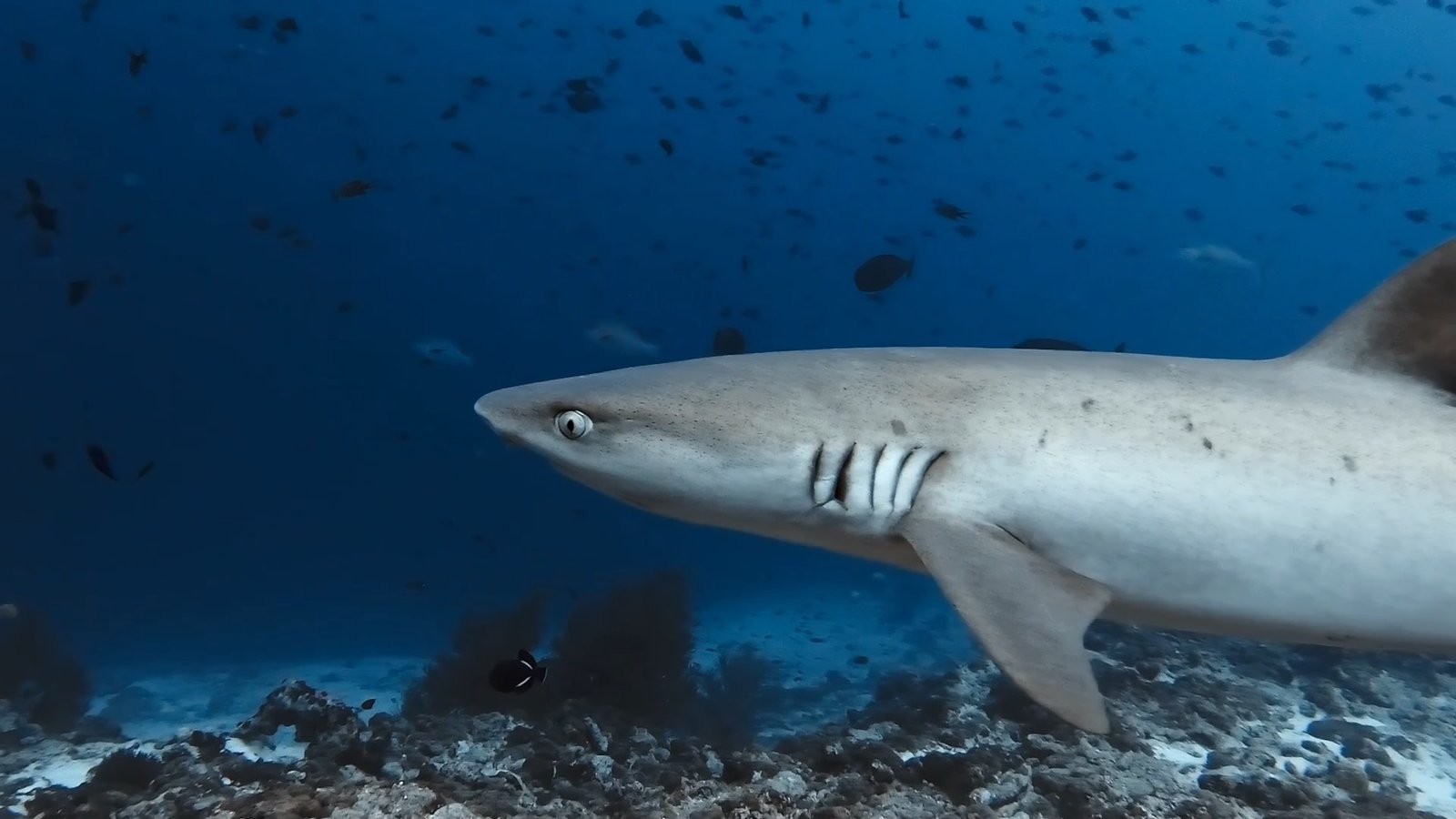
After the check dive, we cruise towards Ari Atoll. Here, the Thilas (submerged reefs) await us, teeming with life. Highlights include the famous Maaya Thila, where the night dive with whitetip sharks is a must, and Fish Head further south, still populated by vast numbers of grey reef sharks.
To the west, Maalhos Thila is very interesting for filming, featuring colorful soft corals hanging from the ceilings of its many overhangs, along with numerous turtles and moray eels.
The southern part of Ari is the realm of the whale shark. Time is always dedicated here to searching for the gentle giant: an encounter that alone is worth the trip, whether it happens by day while snorkeling or diving (usually at Maamigili Beru) or at night off the back of the boat.
Felidhoo
From Ari Atoll, we cross the channel eastward to reach Felidhoo (or Vaavu) Atoll, one of my favorites, famous for its kandus: oceanic passes full of life and current.
At Fotteyo Kandu, considered one of the most beautiful dives in the world, it is very likely to spot hammerhead sharks at dawn, even though filming is often limited by depth and low light. However, we make up for it with the colorful soft corals that abound here.
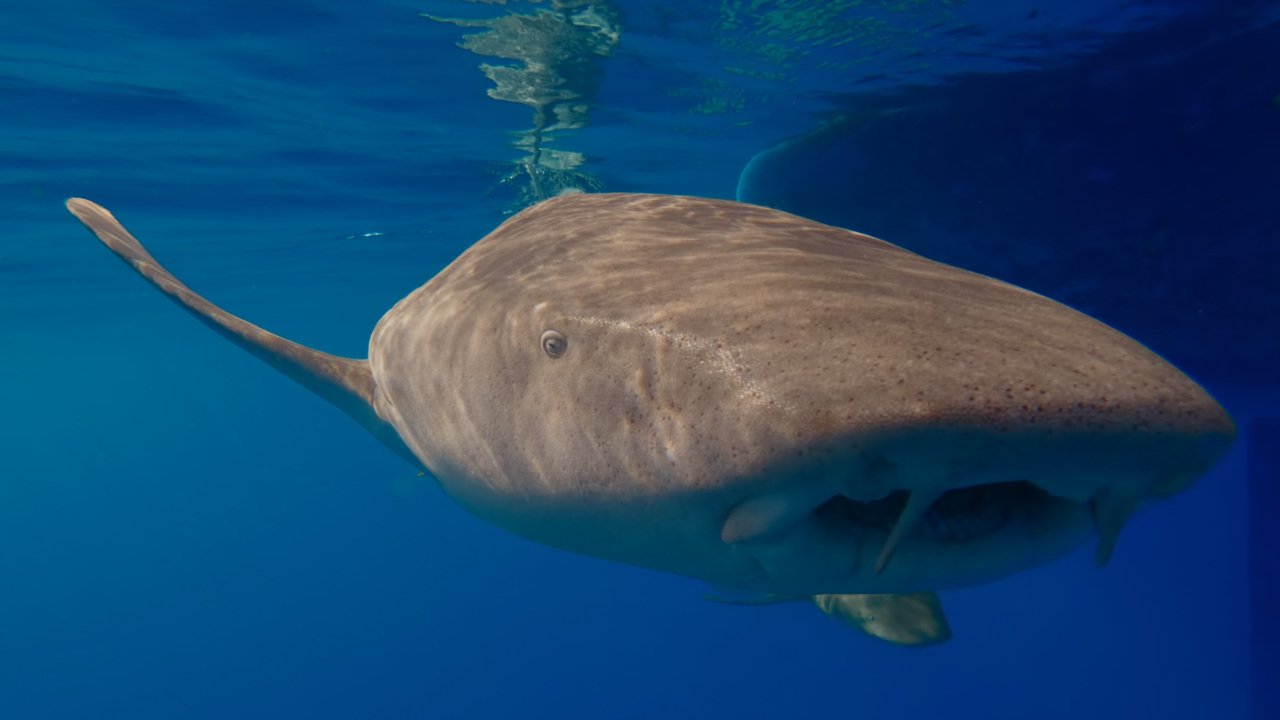
Heading north, the night dive at Alimathà Jetty is a must, surrounded by dozens of nurse sharks, blacktip reef sharks, and jacks. However, I recommend diving just before sunset, especially if you are not using video lights. In the same area, there are other fabulous sites like Miyaru Kandu, Devana Kandu, and Dhiggiru Kandu, where encounters with dozens of grey reef sharks, whitetips, and eagle rays are guaranteed.
Malè Sud
On the return journey, the final dives take place in the channels of South Male Atoll. Guraidhoo Kandu and Emboodhoo Kandu still offer encounters with sharks, eagle rays, turtles, and Napoleon wrasse. Another unmissable stop is Kandooma Thila, where the soft corals are as lush as they used to be. Unfortunately, in some areas of South Male, visibility is not always optimal, likely due to dredging operations linked to the construction of new artificial islands and the expansion of existing beaches.
The last afternoon is spent docked at Hulhumalé, offering the chance to visit Male, the chaotic capital.
This is the moment when the silence of the underwater world gives way to the sounds of the land. As I rinse my gear and pack my bags, there is always a touch of melancholy, but also great satisfaction: knowing that a piece of this paradise is safely stored on the Hard Drive, ready to be relived countless times.
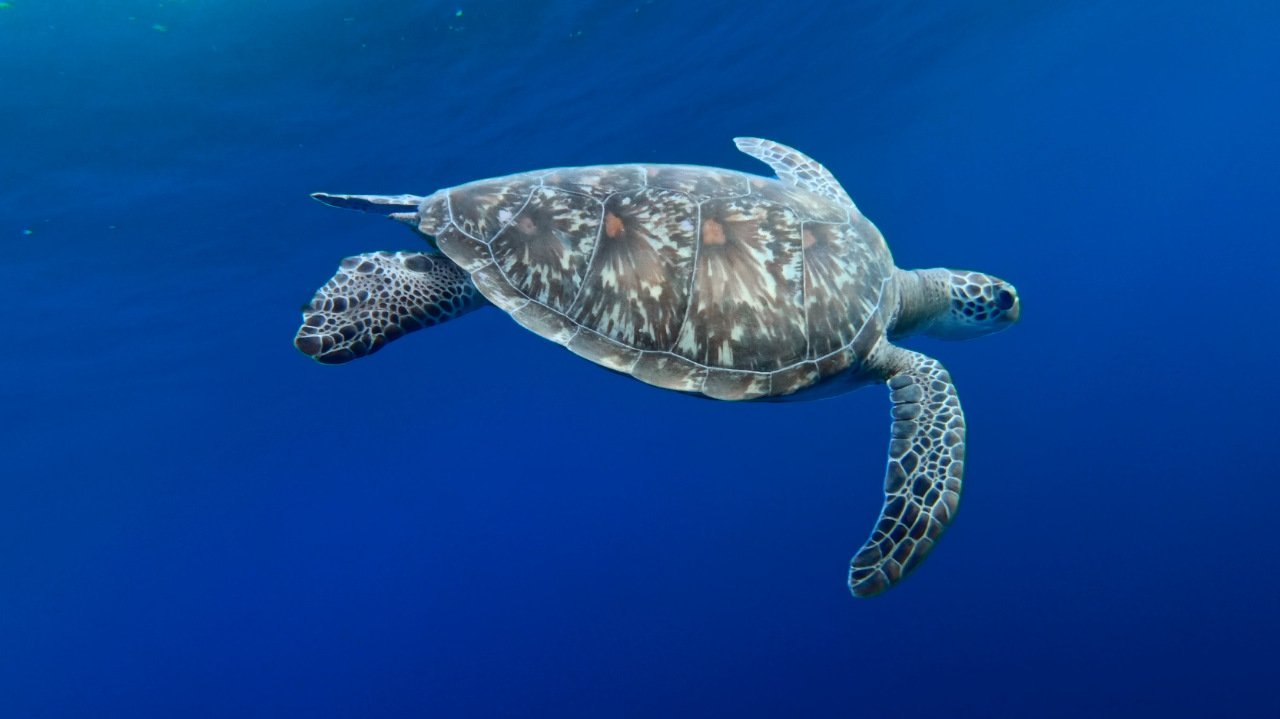
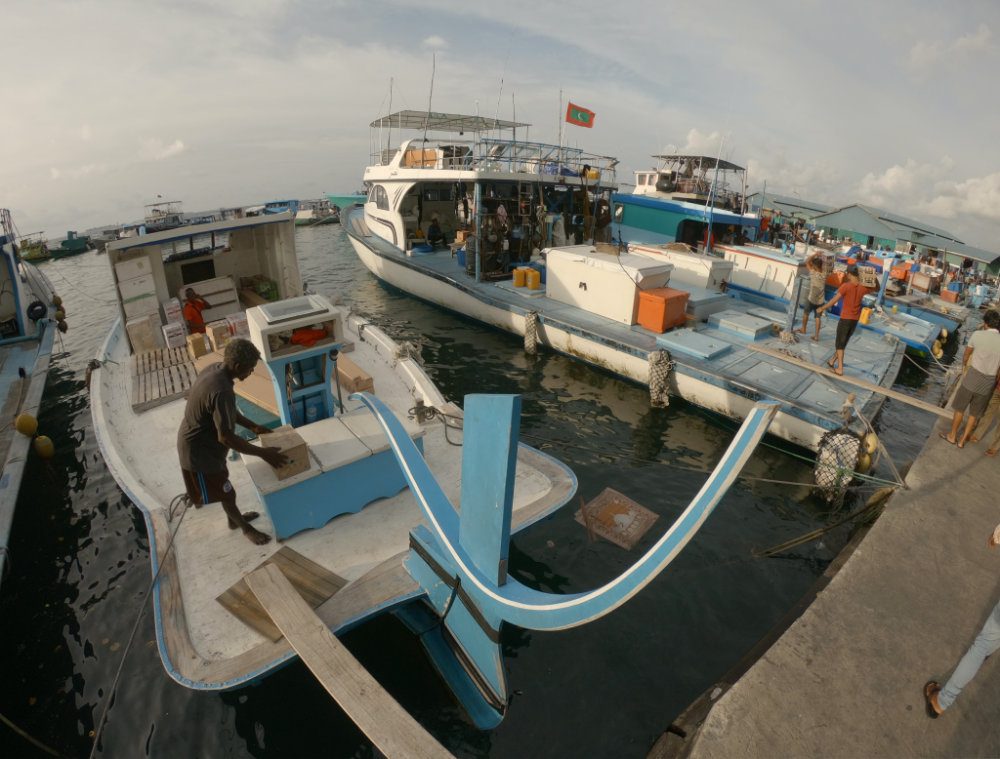
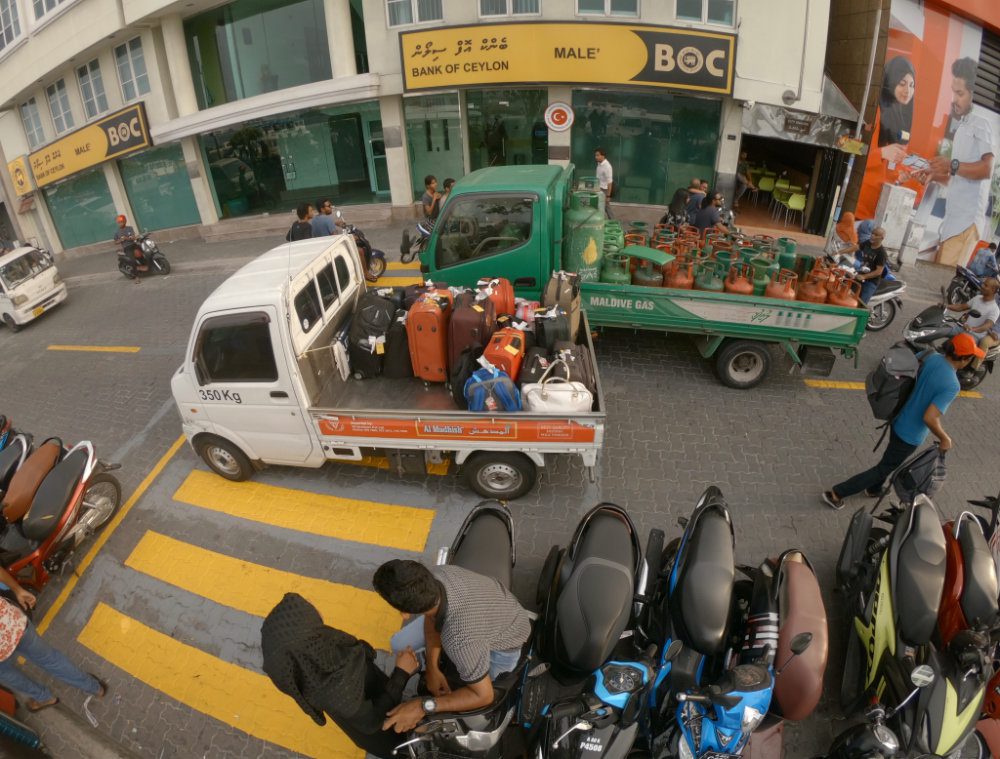
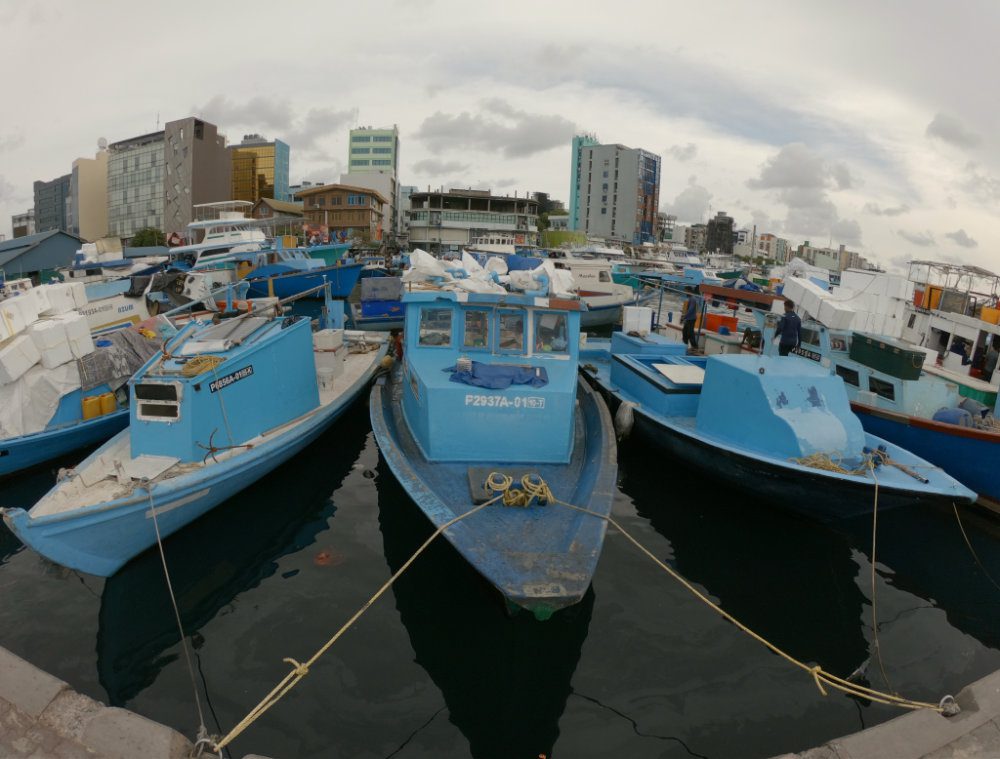

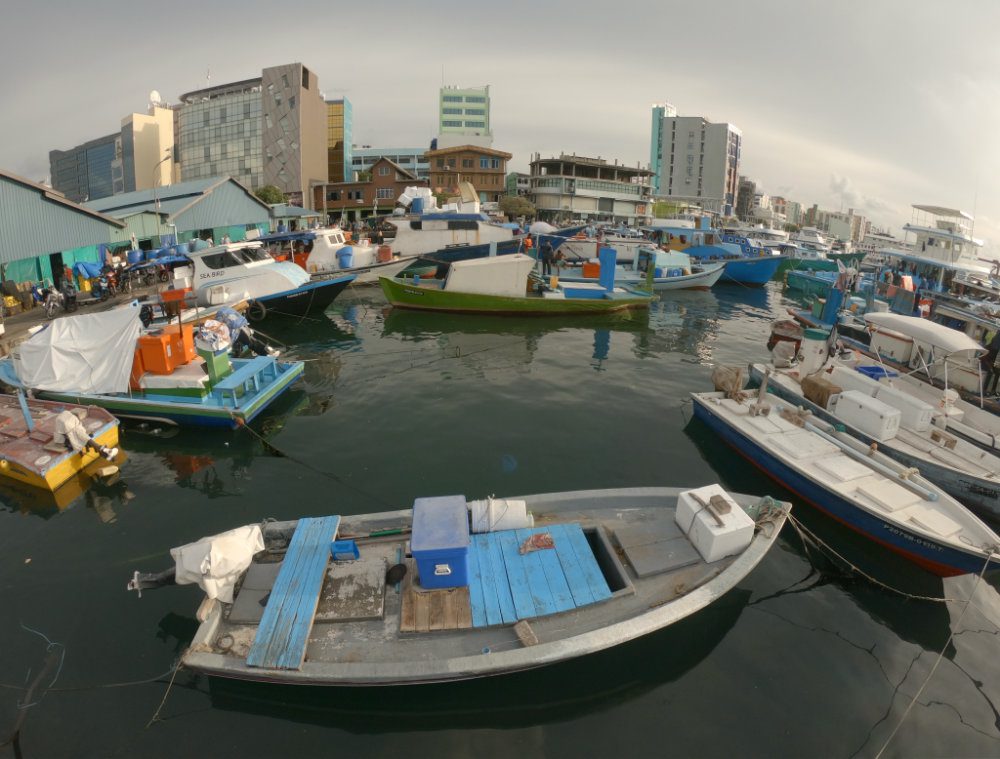
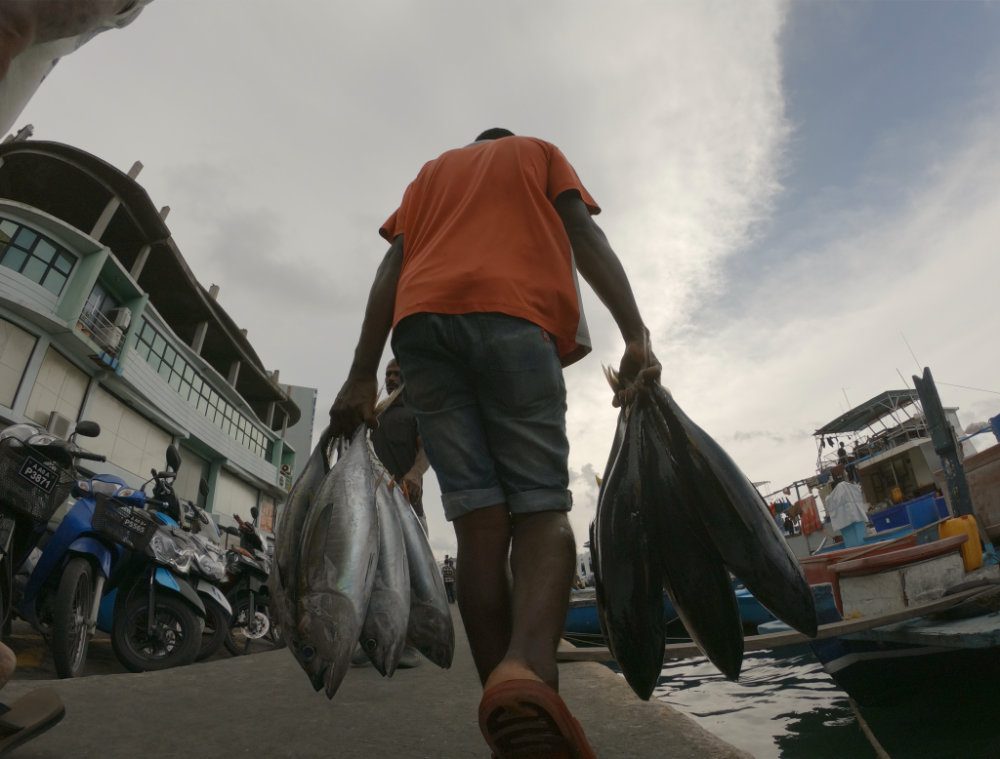
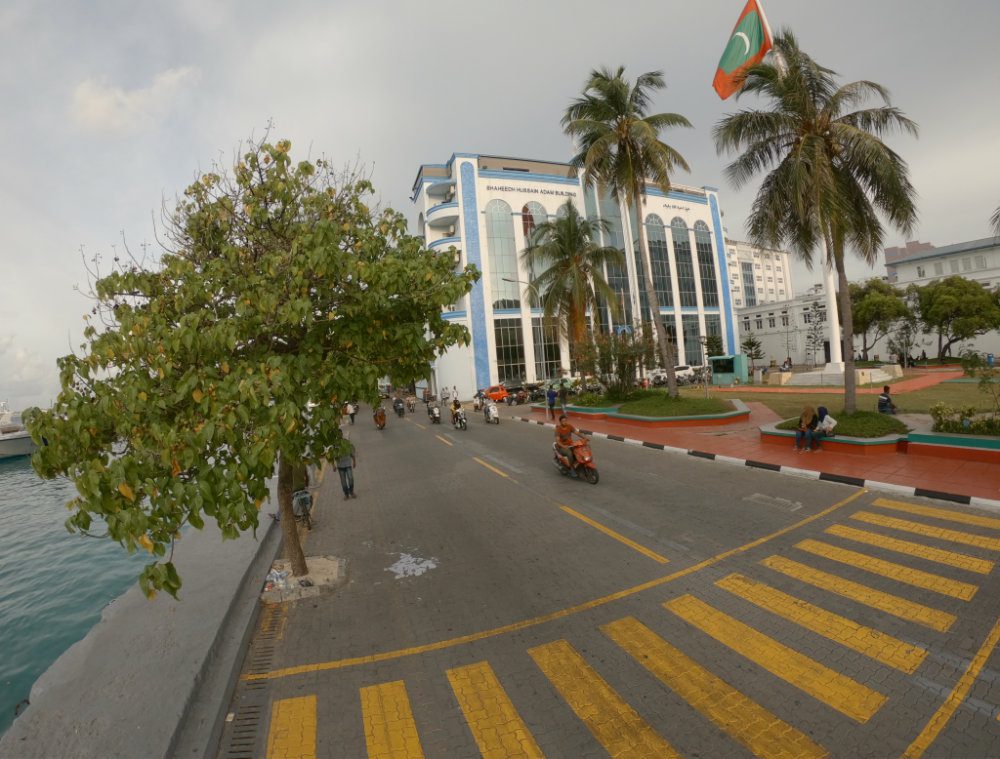
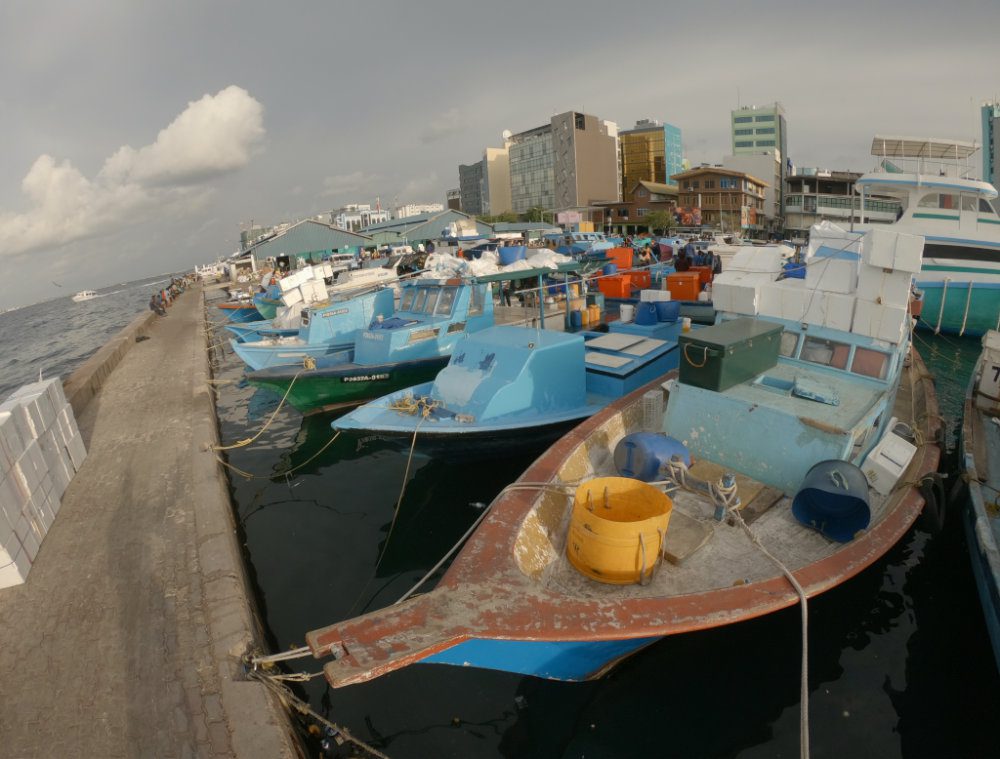
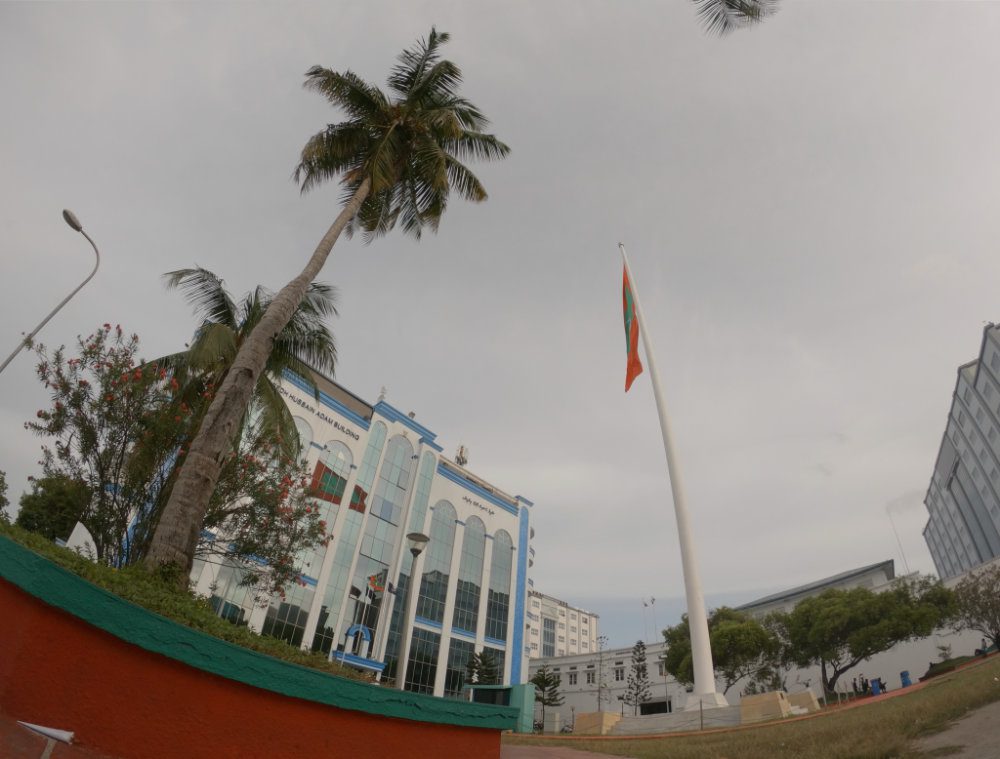
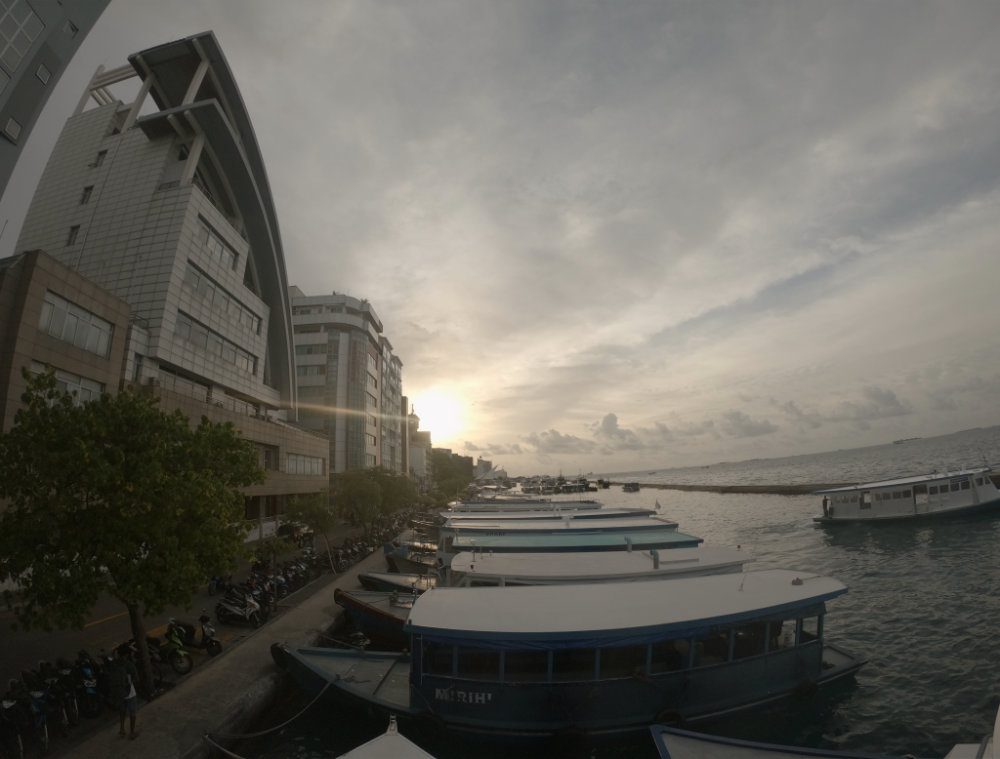
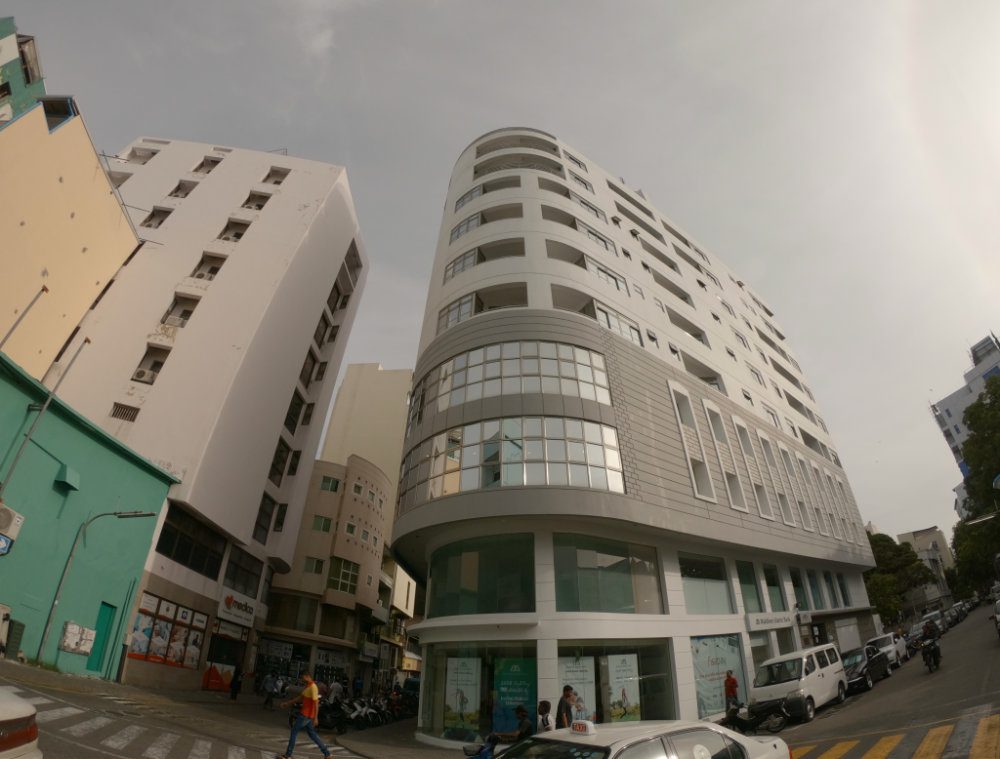
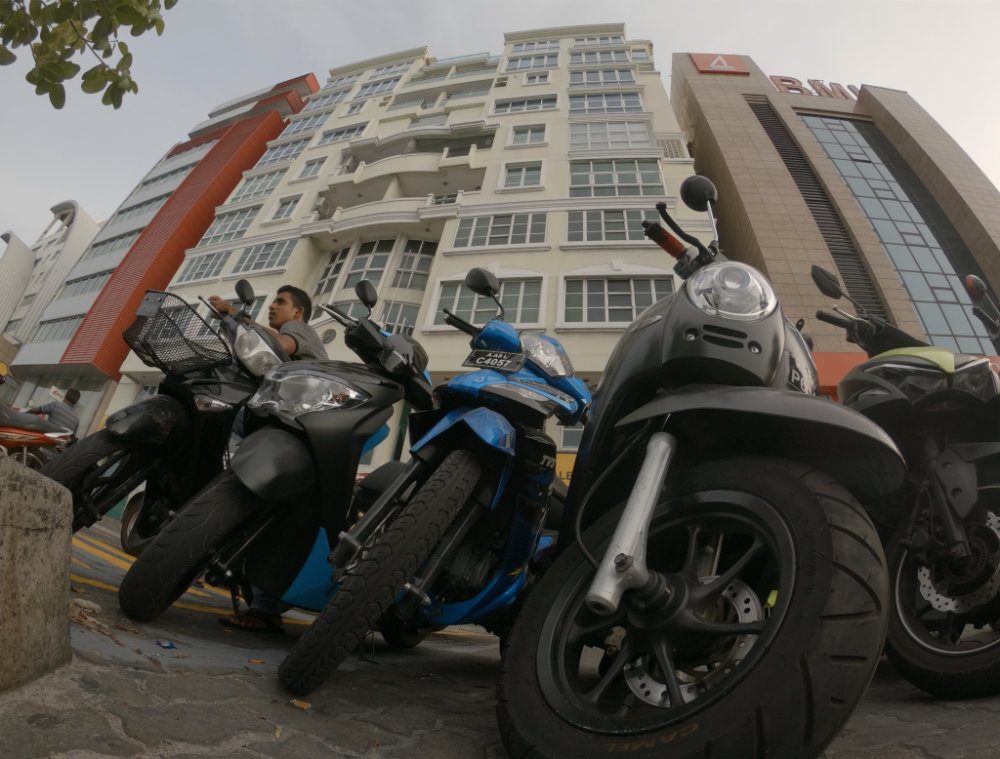
Malè, Maldives 2019 with GoPro7
Extreme south: the wild adventure
Reaching the departure port for this cruise almost always requires a domestic flight, which significantly impacts the budget (400-500 €) and extends travel time. In fact, starting in late 2025, all flights arriving in Male will move to Terminal 1, introducing new regulations that mandate a minimum three-hour layover between international arrival and the domestic connection.
Furthermore, the Deep South requires a good level of diving proficiency: Advanced and Nitrox certifications are recommended, along with a significant number of logged dives.
On the other hand, cruising through the southern atolls, far from mass tourism, allows for diving in a much more pristine environment.
The Deep South itinerary is undoubtedly my favorite. The higher costs and longer travel times are rewarded with intense emotions and the certainty of returning home with a hard drive full of truly special footage.
Below is a typical itinerary, divided by atolls, with notes on the most significant dives.
Addu
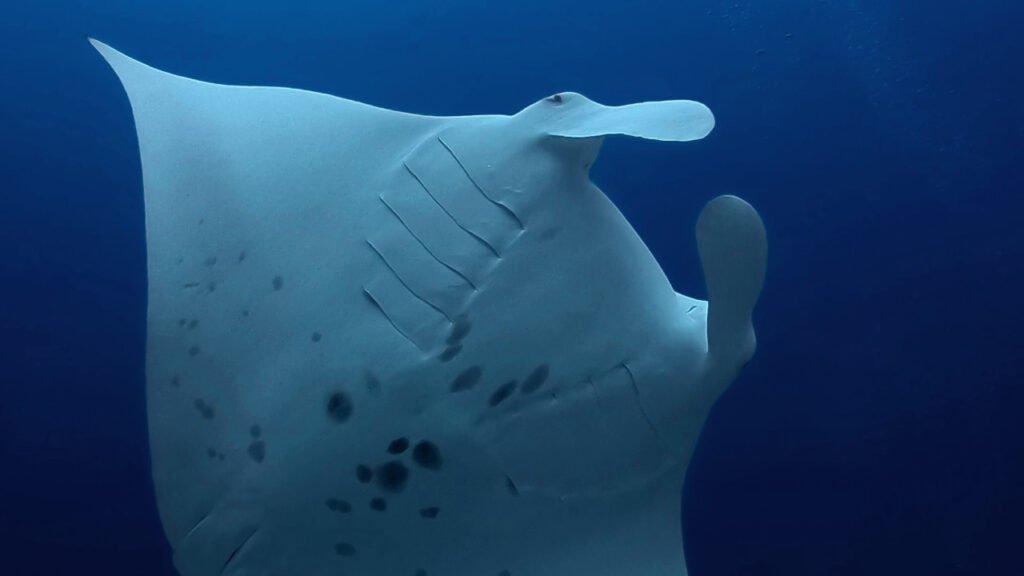
Due to logistical reasons related to domestic flights, the cruise starts on alternating weeks from either Addu or Huvadhoo. If boarding takes place in Addu (Gan Airport), the check dive is usually held at Manta Point, located in the northeast part of the atoll. Being the southernmost atoll of the archipelago, Addu immediately offers spectacular encounters: there are excellent chances of filming mantas hovering elegantly over cleaning stations to be groomed by small wrasses. It is an incredible sight and there is no better way to start the adventure. These gentle giants, often resident and calm, provide a fantastic opportunity to fine-tune your equipment and capture the first memorable clips of the trip.
Fuvahmulah
Leaving Addu, you reach Fuvahmulah, a unique atoll because it consists of a single island, located near the equator line and considered the pelagic paradise of the Maldives.
A couple of dives are done on the Plateau, a flat area that rapidly slopes down to great depths, where the chances of sightings are incredible: silk sharks, silvertips, hammerheads, tiger sharks, and eagle rays, and with a bit of luck, even the whale shark or the sunfish (Mola mola).
Capturing exceptional footage from the dive on the Plateau is not easy due to the depths and often less-than-ideal lighting conditions, but the emotions this place offers are priceless.
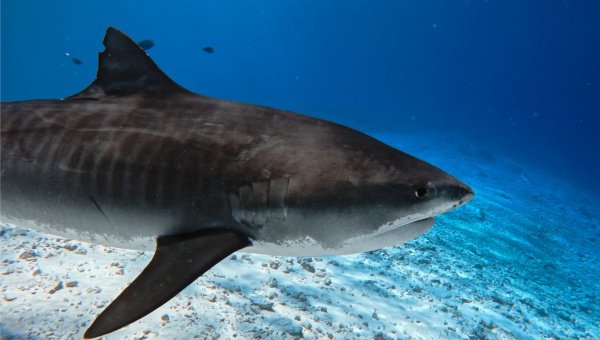
Also in Fuvahmulah, the Tiger Zoo represents a unique dive, a true Holy Grail for us videomakers, where huge tiger sharks swim constantly around the GoPro.

Huvadhoo
The final atoll on this itinerary is Huvadhoo, characterized by landscapes that are still very wild and underwater visibility that is almost always crystal clear.
Its kandus are famous: Gemanafushi, the realm of silky sharks; Maarehaa, with its large schools of eagle rays; and Kondey, boasting lush and incredibly healthy coral gardens (during the 2025 cruise, I even spotted a pair of sailfish here!). Moving further north, we find Nilandhoo, Kuredhdhoo, and Maamendhoo. And then there is Villingili Kandu, populated by hundreds of grey reef sharks and endless green turtles.
To finish with a touch of magic, Kooddoo Jetty is a must, offering dives among dozens of large spinner sharks and hundreds of lively young grey reef sharks.
We depart from a small, green, human-scale airport, with smiles on our faces and hours of beautiful footage saved on the hard drive.